For centuries, the bridal crown has reigned as the quintessential symbol of matrimonial elegance, a glittering emblem of tradition perched atop a bride’s head. Yet, behind the dazzling facade of diamonds, pearls, and intricate metalwork often lay a less glamorous reality: a literal pain in the neck. The weight of these ornate headpieces, sometimes exceeding a kilogram, has long been the unspoken burden of brides, leading to headaches, pressure points, and a constant, nagging discomfort on what is supposed to be the happiest day of their lives. The quest for beauty, it seemed, demanded a physical toll.
But a quiet revolution is underway in the world of bridal fashion, one that is challenging the very foundations of traditional headwear. This movement, driven by a new generation of designers, material scientists, and, most importantly, brides themselves, is not about abolishing the crown but reimagining it. It’s a shift towards lightweight liberation, a design philosophy that prioritizes comfort and wearability without sacrificing an ounce of grandeur or sparkle. The goal is simple yet profound: to let the bride shine, not suffer.
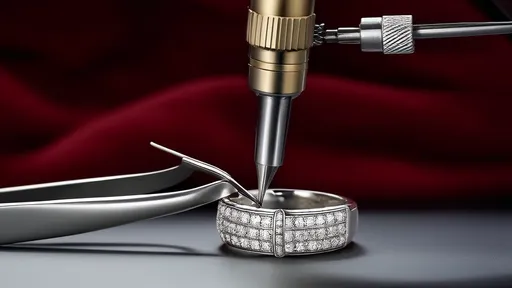
The catalyst for this change is a fundamental redesign of the structural approach to headpieces. Traditional crowns often relied on dense, solid metal bases to support heavy stones, creating a top-heavy object that fought against gravity. Modern designers are employing advanced techniques like openwork filigree and lace-like metal patterning. By creating intricate, airy structures instead of solid masses, they drastically reduce the overall weight while maintaining structural integrity and visual complexity. The piece appears just as substantial and detailed to the eye but feels almost weightless on the head.
Perhaps the most significant driver of the lightweight revolution is the innovative use of new materials. Designers are looking beyond traditional precious metals and gemstones to a world of advanced alternatives. Aerospace-grade aluminum alloys, prized for their incredible strength-to-weight ratio, are being anodized in rose, yellow, and white gold hues to mimic traditional materials. High-quality resins and polymers, once associated with cheap costume jewelry, are now being engineered to a jeweler’s standard, capable of being molded into delicate, feather-light forms and set with brilliant lab-grown crystals that are indistinguishable from diamonds to the naked eye.
The revolution extends beyond just the crown itself to its very foundation: how it stays on. The era of painful, tight combs and sharp pins is fading. Designers are now integrating flexible, silicone-gripped headbands that conform gently to the shape of the skull, distributing pressure evenly. For more elaborate pieces, weight distribution is key. Designers are using advanced modeling software to map the center of gravity, often incorporating a counterweight or a flexible, spreading base that sits across a larger area of the head, turning a point load into a distributed one. This ergonomic approach ensures the piece feels secure and stable, not like a burden waiting to topple.
This shift is deeply intertwined with the evolution of the modern bride herself. Today’s bride is often more pragmatic and self-aware. She values experience and authenticity. She wants to dance, laugh, and move freely at her wedding, not be immobilized by her attire. The demand for lightweight crowns reflects a broader desire for wearable luxury—pieces that are beautiful but also functional and comfortable for a long, event-filled day. Social media has also played a role, with brides sharing their experiences of "crown headaches," creating a collective awareness and demand for better alternatives.
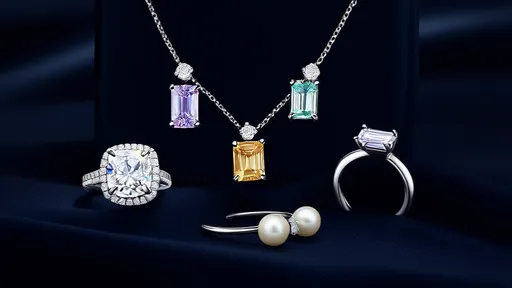
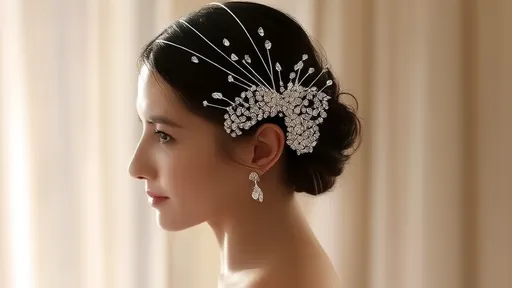
The aesthetic of headpieces is evolving in tandem with their weight. The minimalist bride might opt for a single, stunning statement piece—a delicate, titanium-wire tiara or a scattering of diamonds suspended on nearly invisible threads. The boho-inspired bride might choose a crown woven from ultra-lightweight resin vines and floral motifs. The classic, glamorous bride can now find pieces that replicate the look of a historic diamond parure but constructed with hollow, lattice-work metal and crystal pavé. The lightweight movement is not prescribing one style but liberating all styles from the constraints of weight.
This new era of design presents unique challenges. The primary hurdle is perception. Convincing a bride that a piece made from a polymer or aluminum can feel as "luxurious" as one made from platinum and diamond requires a re-education of value, shifting the focus from raw material cost to design innovation, craftsmanship, and wearability. Furthermore, achieving a convincing, high-end sparkle with lighter materials requires meticulous attention to the cut, setting, and reflective quality of each stone or crystal, ensuring the final product loses none of its magical, light-catching allure.
The impact of this revolution extends far beyond a single accessory. It signifies a larger, welcome trend in fashion towards human-centric design. It acknowledges that clothing and adornment should serve the person wearing it, not the other way around. By prioritizing comfort, designers are empowering brides to be fully present in their joy. They are removing a barrier to celebration, ensuring that the memory of the day is filled with the euphoria of the moment, not the dull ache of a heavy headpiece.
The bridal crown is not being dethroned; it is being evolved. It is shedding its literal and figurative weight to become a symbol of modern elegance—one that celebrates beauty and comfort in equal measure. The future of bridal headwear is light, airy, and utterly free from pain, allowing every bride to truly enjoy her crowning moment.
By /Aug 28, 2025
By /Aug 28, 2025

By /Aug 28, 2025

By /Aug 28, 2025
By /Aug 28, 2025
By /Aug 28, 2025

By /Aug 28, 2025
By /Aug 28, 2025

By /Aug 28, 2025

By /Aug 28, 2025

By /Aug 28, 2025
By /Aug 28, 2025
By /Aug 28, 2025
By /Aug 28, 2025

By /Aug 28, 2025

By /Aug 28, 2025
By /Aug 28, 2025
By /Aug 28, 2025

By /Aug 28, 2025
By /Aug 28, 2025
