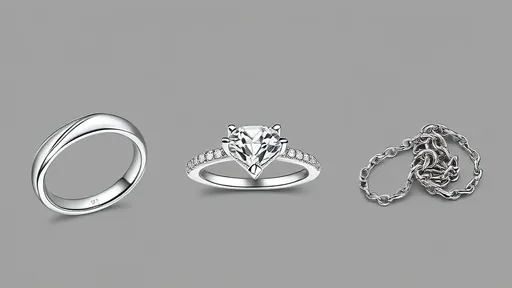
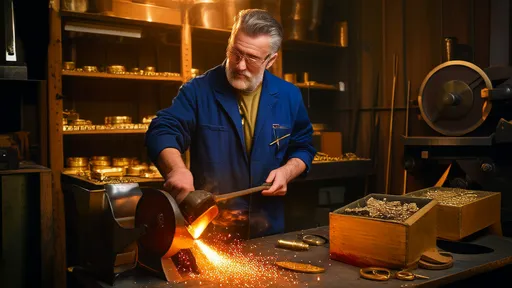
The jewelry industry stands at a pivotal crossroads, where tradition meets transformation. For centuries, gold has been cherished not only for its lustrous beauty but also for its enduring value, often passed down through generations as heirlooms or melted and reshaped into new creations. This practice of repurposing old gold—whether from broken pieces, outdated designs, or sentimental items no longer in use—has long been a quiet undercurrent in the world of jewelry. However, as global awareness of sustainability and circular economy principles grows, what was once a niche, artisanal process is now being scrutinized for its potential to become a standardized, scalable model within the broader jewelry sector.
The concept of a circular economy, which emphasizes minimizing waste and maximizing resource efficiency, is gaining traction across industries, and jewelry is no exception. At its heart lies the idea of keeping materials in use for as long as possible, extracting their maximum value, and then recovering and regenerating products at the end of their life cycle. In the context of gold jewelry, this means creating systems where old gold is not merely recycled in an ad hoc manner but is systematically collected, processed, and reintegrated into new products with minimal environmental impact. The vision is ambitious: a closed-loop system where gold circulates continuously, reducing the need for newly mined metal and its associated ecological and social costs.
Yet, the path to achieving this vision is fraught with challenges, particularly when it comes to standardizing and scaling up the process of old gold transformation. Unlike industrial recycling of materials like aluminum or plastic, which often involves homogeneous streams of waste, old gold jewelry is incredibly diverse. Pieces vary widely in karat purity, alloy composition, and physical form—from delicate filigree work to solid cast items. This heterogeneity complicates the refining process, as different purities and alloys require distinct handling and processing techniques to ensure the output meets the stringent quality standards demanded by jewelers and consumers alike.
Moreover, the sentimental and aesthetic value attached to jewelry adds another layer of complexity. Gold items are often imbued with personal histories and emotional significance, which can influence how and whether they are offered for recycling. Consumers may be reluctant to part with pieces that have familial or emotional value, even if they are no longer worn. Others might be wary of the process due to concerns about fairness in valuation or transparency in handling. Building trust is therefore paramount; without consumer confidence in the system, efforts to collect old gold at scale will likely fall short.
On the technical front, the refining of old gold must contend with issues of efficiency and environmental responsibility. Traditional refining methods, such as those using strong acids or other chemicals, can be hazardous and generate significant waste if not managed properly. Advances in technology, such as electrolytic refining or the use of greener chemicals, offer promising alternatives but often come with higher costs or require specialized equipment. For these methods to be adopted widely, they must be not only effective but also economically viable for refiners—especially smaller operations that may lack the capital to invest in state-of-the-art infrastructure.
Standardization is another critical hurdle. The industry lacks universally accepted protocols for assessing, sorting, and processing old gold. Without standardized criteria for categorizing gold by purity, alloy type, or contamination level, the process remains inconsistent, leading to inefficiencies and potential quality issues in the refined output. Developing such standards would require collaboration across the supply chain—from miners and refiners to jewelers and retailers—as well as engagement with certification bodies and industry associations to ensure buy-in and compliance.
Economic factors also play a significant role. The value of gold is inherently tied to global market prices, which can be volatile. This volatility affects every stage of the old gold ecosystem, from the prices offered to consumers selling their pieces to the cost calculations of refiners and jewelers. Creating a stable economic model that can weather these fluctuations while ensuring fair compensation for all parties is essential for scaling up the system. Additionally, there are costs associated with collection, logistics, and processing that must be carefully managed to keep the overall process competitive with traditional mining and refining.
Consumer behavior and awareness are equally important. While interest in sustainable products is rising, many jewelry buyers remain unaware of the options for recycling old gold or the benefits of choosing pieces made from recycled materials. Education and marketing efforts are needed to highlight the environmental and social advantages of circular practices—such as reduced mining impact, lower carbon footprint, and support for ethical sourcing. Brands that successfully communicate these values can tap into a growing market of conscious consumers, turning sustainability into a competitive advantage.
Looking ahead, technology and innovation hold the key to overcoming many of these challenges. Blockchain, for instance, could be used to create transparent, tamper-proof records of gold’s journey from old jewelry to refined metal to new product, assuring consumers of its provenance and ethical handling. Automated sorting systems powered by artificial intelligence might streamline the categorization of old gold by purity and alloy type, reducing labor costs and increasing accuracy. Meanwhile, advances in refining technology could make the process cleaner, cheaper, and more efficient, enabling wider adoption.
Collaboration will be crucial. Industry-wide initiatives that bring together stakeholders—from large mining companies and refiners to independent jewelers and certification organizations—can drive the development of standards, share best practices, and create economies of scale. Governments and regulatory bodies can support these efforts through policies that incentivize recycling, such as tax benefits for using recycled materials or grants for research into greener technologies.
In conclusion, the transformation of old gold represents a significant opportunity for the jewelry industry to align with circular economy principles, reducing its environmental footprint and enhancing its sustainability credentials. However, realizing this potential requires addressing the multifaceted challenges of standardization and scalability. By tackling technical, economic, and behavioral barriers through innovation, collaboration, and education, the industry can build a robust system for old gold recycling that not only preserves the timeless allure of gold but also ensures its place in a more sustainable future.
The journey toward a circular model for gold jewelry is still in its early stages, but the momentum is building. As consumers, brands, and innovators continue to push for change, the vision of a world where gold is perpetually reused—retaining its value and beauty without costing the earth—moves closer to reality. The challenges are substantial, but so too are the rewards: an industry that honors its past while forging a brighter, more responsible future.

By /Aug 28, 2025
By /Aug 28, 2025

By /Aug 28, 2025

By /Aug 28, 2025

By /Aug 28, 2025
By /Aug 28, 2025

By /Aug 28, 2025

By /Aug 28, 2025
By /Aug 28, 2025

By /Aug 28, 2025

By /Aug 28, 2025

By /Aug 28, 2025

By /Aug 28, 2025

By /Aug 28, 2025
By /Aug 28, 2025

By /Aug 28, 2025

By /Aug 28, 2025

By /Aug 28, 2025

By /Aug 28, 2025
By /Aug 28, 2025
