In the world of fine jewelry, few moments are as disheartening as realizing you’ve lost a single earring. Whether it was an heirloom piece passed down through generations or a recent investment in a stunning pair of diamond studs, the sentimental and financial blow can be significant. Many assume that losing just one earring from a pair might not qualify for an insurance claim, or that the process would be too complicated to pursue. However, with the right coverage and proper documentation, policyholders can often secure compensation even for a single lost earring.
Jewelry insurance, typically offered as a rider or floater on a homeowner’s or renter’s policy, is designed to protect valuable items against loss, theft, or damage. Unlike standard policies that may have limited coverage for jewelry, a dedicated jewelry insurance policy provides broader protection. This includes scenarios that might otherwise be excluded, such as mysterious disappearance—which is often the case with a lost earring. It’s crucial for owners to understand their policy details, as terms can vary between providers.
When an earring goes missing, the first step is to remain calm and retrace your steps. Thoroughly search the area where you last remember wearing or storing the earring. If the item isn’t found, promptly contact your insurance provider to initiate the claims process. Delaying notification can sometimes complicate matters, especially if the loss falls under "mysterious disappearance," which may require a timely report. Be prepared to provide details such as when and where you believe the loss occurred, and any steps you’ve taken to recover the item.
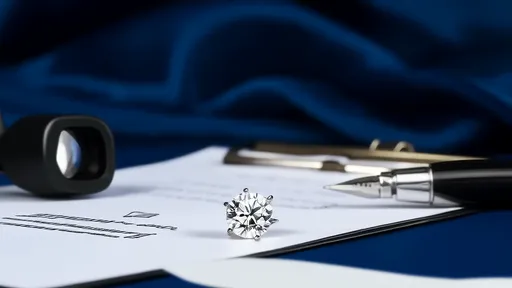
Documentation is the cornerstone of a successful jewelry insurance claim. For lost single earrings, this becomes even more critical. Insurers will typically request proof of ownership and value, which underscores the importance of having an up-to-date appraisal, original receipts, and photographs of the jewelry. In the case of a pair, photographs showing both earrings together can help establish the value and authenticity of the lost item. If the earring was part of a set, the appraisal should ideally break down the value per piece or specify the pair’s total worth.
One common challenge policyholders face is the "pair or set" clause found in some insurance policies. This clause may reduce the payout for a single lost item if the remaining piece is still in your possession. For example, if you lose one diamond earring, the insurer might compensate you for only half the value of the pair, arguing that the remaining earring still holds some worth. However, this isn’t universal. Many insurers today offer policies that cover the full value of the lost earring, recognizing that the pair is effectively rendered useless without its counterpart.
To avoid disputes, policyholders should discuss this scenario with their insurer when purchasing or renewing coverage. Ask specifically how a single lost earring would be handled and whether the policy includes a "pair or set" clause. Some insurers may allow you to schedule each earring individually, ensuring full compensation for either piece if lost. Others might offer a replacement option, where the insurer covers the cost of creating a new earring to match the remaining one, though this can be complex depending on the design and availability of materials.
The claims process itself usually involves filling out detailed forms and providing the required documentation. An adjuster may be assigned to review the case, and in some instances, the insurer might request a sworn statement or proof that the loss wasn’t due to negligence. For high-value items, the insurer might also require a police report, especially if theft is suspected. While losing a single earring might not always warrant a police report, filing one can strengthen your claim by adding an official record of the incident.
After submitting the claim, the insurer will evaluate the evidence and determine the payout based on the policy terms. If the claim is approved, you might receive a cash settlement based on the appraised value or the actual cash value (which accounts for depreciation). Alternatively, some policies offer replacement cost coverage, where the insurer pays for a new pair or a replacement earring of similar kind and quality. This is often preferable for those who want to restore their jewelry collection without compromising on quality.
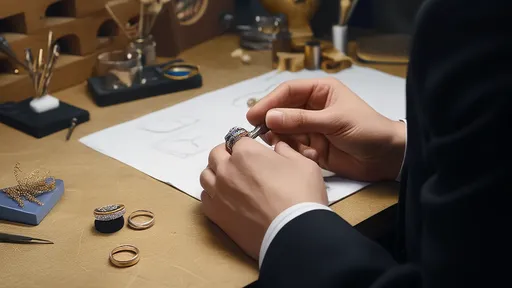
Prevention, of course, is better than cure. Regular appraisals—every two to three years—ensure that your jewelry is insured for its current market value, which can fluctuate with changes in gold, diamond, or gemstone prices. Additionally, storing earrings securely in a jewelry box with individual compartments or using locking backs can minimize the risk of loss. For frequently worn pieces, consider having a jeweler check the settings periodically to ensure stones are secure.
In the end, losing a single earring doesn’t have to be a total loss. With comprehensive jewelry insurance and meticulous record-keeping, policyholders can navigate the claims process successfully and recover financially from the incident. Always read your policy carefully, ask questions before buying, and maintain open communication with your insurer. That way, if the unexpected happens, you’ll be well-prepared to turn a moment of panic into a manageable insurance claim.
By /Aug 28, 2025
By /Aug 28, 2025

By /Aug 28, 2025

By /Aug 28, 2025
By /Aug 28, 2025

By /Aug 28, 2025
By /Aug 28, 2025
By /Aug 28, 2025

By /Aug 28, 2025

By /Aug 28, 2025

By /Aug 28, 2025
By /Aug 28, 2025
By /Aug 28, 2025

By /Aug 28, 2025
By /Aug 28, 2025
By /Aug 28, 2025
By /Aug 28, 2025
By /Aug 28, 2025

By /Aug 28, 2025
By /Aug 28, 2025
