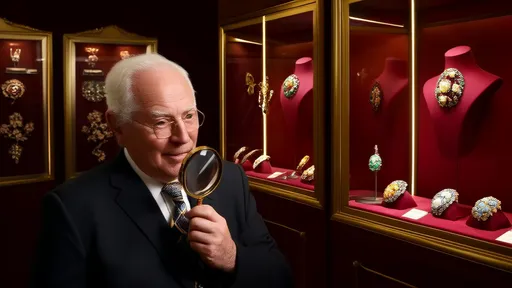
In the quiet moments of reflection, we often find ourselves drawn to the pieces that have journeyed through time with us—the jewelry that adorns our lives with meaning beyond mere ornamentation. These treasures, whether inherited, acquired, or gifted, carry stories etched in gold and gemstones, whispers of love, triumph, and legacy. Yet, too often, their significance is left to memory, vulnerable to the passage of time and the unpredictability of life. Establishing a personal jewelry archive is not merely an administrative task; it is an act of preservation, a deliberate step toward honoring the past while securing the future.
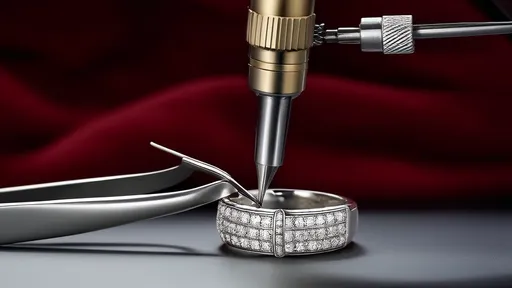
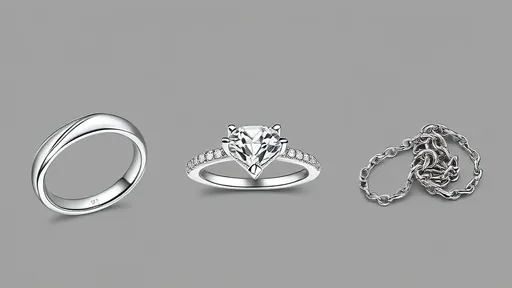
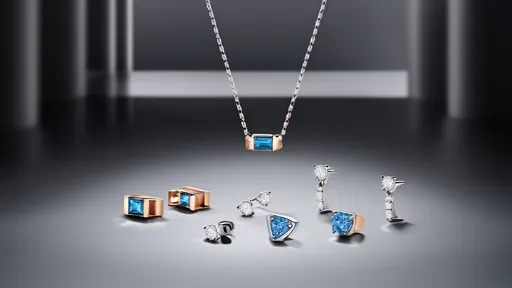
The foundation of any meaningful jewelry archive begins with meticulous documentation. This process goes beyond listing items; it involves capturing the essence of each piece. Start by photographing your jewelry from multiple angles, ensuring that details like clasps, engravings, and unique markings are visible. Natural light is your ally here, as it reveals the true color and brilliance of stones and metals. Alongside visual records, describe each item in rich detail—note the type of metal, the cut and carat weight of gemstones, and any hallmarks or signatures that speak to its origin. But do not stop there. Weave in the narrative: the occasion it commemorates, the hands it has passed through, the emotions it evokes. These stories transform cold facts into a living history, making the archive as much a memoir as a catalog.
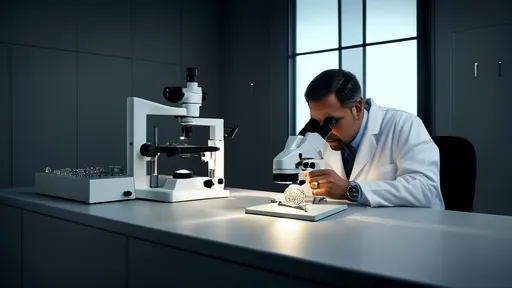
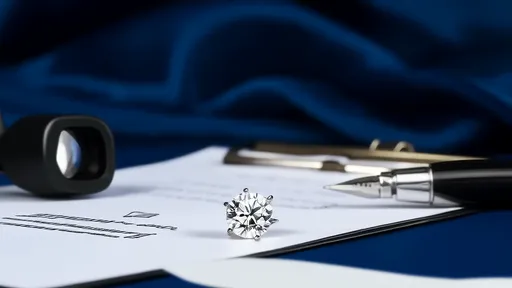
Valuation is the cornerstone of practicality in your jewelry archive. Understanding the worth of your pieces is crucial for insurance purposes, estate planning, or potential future sales. However, value in jewelry is a multifaceted concept. There is the market value, determined by current trends and material worth, but there is also the sentimental value, which, while immeasurable in monetary terms, is often the heart of the archive. For insurance, engage a certified appraiser to provide a detailed report, updated every few years to reflect market fluctuations. This document should be exhaustive, including replacements costs and descriptions precise enough to facilitate reproduction if necessary. Remember, insurance companies require specificity; "a gold ring with a blue stone" is far less effective than "a 14k yellow gold art deco ring featuring a 2-carat oval sapphire accented by pavé diamonds."
In the digital age, the format of your archive is as important as its content. While a beautifully bound ledger has its charm, a digital archive offers security, accessibility, and durability. Scan appraisals, receipts, and even handwritten notes accompanying gifts. Store high-resolution images and documents in cloud-based services with robust encryption, ensuring they are safe from physical damage or loss. Yet, consider creating a physical copy as well—a curated album or a fireproof safe can hold printed photographs and key documents. This hybrid approach marries the convenience of technology with the tangibility of tradition, ensuring that your archive withstands the test of time and technological evolution.
Perhaps the most profound aspect of a jewelry archive is its role in legacy planning. Jewelry often becomes a vessel for family history, passed down through generations. Your archive serves as a guide for future heirs, providing context and meaning that might otherwise be lost. Without clear documentation, a descendant might see only a pretty brooch, unaware it was a mother’s wedding gift or a symbol of survival during hard times. By detailing the stories and significance, you gift your heirs not just objects, but understanding. This is especially critical for pieces with cultural or historical importance, where provenance adds layers of value. In estate planning, a well-documented archive simplifies distribution, reducing potential conflicts and ensuring your wishes are honored precisely.
Maintenance and care instructions are a practical yet vital component of the archive. Different materials demand specific care—pearls require gentle handling and avoidance of chemicals, while platinum can withstand more wear. Include advice on cleaning, storage, and periodic professional check-ups for settings and clasps. This not only preserves the physical beauty of the pieces but also reinforces their longevity as functional heirlooms. Think of it as a manual for future guardians, empowering them to maintain the jewelry in its best condition, ready to be worn and cherished anew.
In moments of loss or theft, a comprehensive jewelry archive becomes an invaluable tool. The emotional blow of losing a cherished piece is profound, but having detailed records can aid in recovery or insurance claims. Police reports and insurance negotiations become significantly more effective with photographs, descriptions, and appraisals at hand. It is a sad reality, but preparedness can provide a semblance of control and comfort in otherwise distressing circumstances. Moreover, should a piece be damaged, the archive can assist jewelers in restoration, ensuring it is returned to its original glory.
Ultimately, the process of building a jewelry archive is a journey of rediscovery. It invites you to handle each piece, to remember, to reflect. It might unearth forgotten stories or inspire conversations with older relatives, deepening your connection to your collection and your heritage. This endeavor is not a cold cataloging exercise; it is an act of love—for the art, the history, and the people embedded in each item. It is about acknowledging that these small, glittering objects are, in fact, tangible pieces of a life well-lived.
As you embark on this project, approach it not as a chore, but as a curation of your personal museum. Let it be detailed yet heartfelt, practical yet poetic. In doing so, you create more than a record; you create a testament to the beauty and resilience of memory, ensuring that the sparkle of your treasures—and the stories they hold— continues to shine for generations to come.
By /Aug 28, 2025
By /Aug 28, 2025

By /Aug 28, 2025

By /Aug 28, 2025

By /Aug 28, 2025

By /Aug 28, 2025
By /Aug 28, 2025

By /Aug 28, 2025

By /Aug 28, 2025

By /Aug 28, 2025

By /Aug 28, 2025

By /Aug 28, 2025
By /Aug 28, 2025

By /Aug 28, 2025
By /Aug 28, 2025
By /Aug 28, 2025

By /Aug 28, 2025

By /Aug 28, 2025

By /Aug 28, 2025
By /Aug 28, 2025
