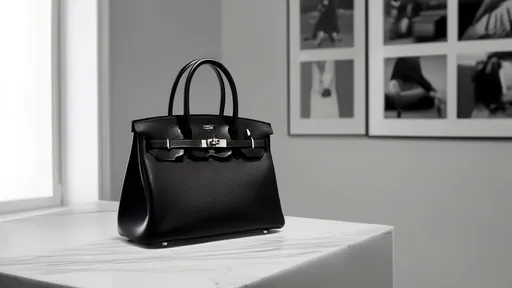
The world of luxury fashion has long been defined by exclusivity, craftsmanship, and eye-watering price tags. At the pinnacle of this universe sits the Hermès Birkin bag—a symbol of status so coveted that its waiting lists span years, and pre-owned specimens routinely fetch six figures at auction. Yet beneath the glossy surface of this rarefied market, a quiet revolution is brewing. A growing movement is challenging the legal and ethical boundaries surrounding "clone" Birkins—high-quality replicas that mimic the original’s design without infringing on trademarks—sparking debates about accessibility, intellectual property, and the very meaning of luxury in the 21st century.
For decades, Hermès has fiercely guarded the Birkin’s mystique. Each handbag is painstakingly crafted by a single artisan, using premium materials like Togo leather and palladium hardware. The company’s deliberate scarcity model—limiting production and vetting customers—has turned ownership into a badge of elite membership. But this strategy has also birthed a sprawling shadow economy. From Bangkok back-alley workshops to Instagram-fueled "dupe" influencers, demand for affordable alternatives has exploded. Unlike counterfeit bags that bear fake Hermès logos, "clones" occupy a legal gray area: they replicate the Birkin’s silhouette and construction while avoiding trademarked branding, making them harder to prosecute under current IP laws.
The pro-clone movement argues that these replicas democratize high fashion. "Not everyone can drop $50,000 on a purse, but that doesn’t mean they shouldn’t enjoy beautiful design," says Lila Chen, founder of the Instagram account @CloneLuxury. Her platform reviews replica Birkins with the same scrutiny as fashion magazines, praising meticulous stitching or critiquing leather quality. Chen’s followers—a mix of college students and middle-class professionals—see clones as a form of protest against fashion’s gatekeeping. Some even customize their replicas with personal touches, transforming them into unique pieces that arguably transcend their inspiration.
Legal scholars are divided on the implications. While trademark law clearly prohibits fake logos, the Birkin’s unpatented shape—a simple tote with distinctive trapezoidal lines—offers little protection. "U.S. design patent terms last only 15 years, and Hermès never patented the Birkin’s look in the 1980s," explains IP attorney David Feldspar. European Union laws provide slightly more recourse through "design rights," but enforcement remains patchy. Hermès has sued clone manufacturers in France and won, but smaller-scale operations—particularly those based in countries with lax IP enforcement—continue to thrive. The brand declined to comment for this article, though its past statements emphasize protecting artistic integrity.
Ethically, the debate grows murkier. Purists argue clones dilute Hermès’ heritage of artisan labor. Each genuine Birkin employs specialized techniques like saddle-stitching, with craftspeople training for years to perfect their skills. "When you buy a clone, you’re not just getting a bag—you’re buying into centuries of French savoir-faire," contends Thierry Morel, a former Hermès workshop manager. Yet clone advocates counter that the original’s astronomical pricing—often exceeding annual salaries in developing nations—renders such arguments tone-deaf. Emerging designers like Nairobi-based Adebayo Okeowo have even launched "tribute" lines that reinterpret the Birkin’s structure using local materials, framing clones as cultural commentary rather than theft.
Market dynamics further complicate matters. The secondhand luxury boom, fueled by platforms like The RealReal, has made authentic Birkins slightly more accessible—yet prices remain stratospheric. Meanwhile, clone quality varies wildly. Some $300 replicas use genuine leather and near-flawless construction, while cheaper versions crumble within months. This spectrum has birthed a peculiar hierarchy among replica enthusiasts, with "super clones" commanding respect for their accuracy. Ironically, the best clones now face their own counterfeit problems, as unscrupulous sellers pass off low-grade imitations as high-tier replicas.
Looking ahead, the clone movement shows no signs of slowing. Younger consumers, raised on fast fashion and unimpressed by traditional status symbols, increasingly prioritize style over labels. Sustainability concerns also play a role: some argue that extending a design’s lifespan through clones is eco-friendlier than chasing seasonal trends. Whether Hermès will adapt—perhaps by offering entry-level versions or embracing digital collectibles—remains uncertain. What’s clear is that the Birkin clone phenomenon has cracked open a long-overdue conversation about who gets to participate in luxury, and on what terms.
As the lines between inspiration and imitation blur, the fashion industry faces a paradigm shift. The Birkin was never just a bag; it was a physical manifestation of aspiration. Now, as clones allow millions to touch that dream—however imperfectly—the very definition of luxury may need reinventing. In an era of viral TikTok dupes and AI-generated designs, exclusivity alone can no longer sustain prestige. The clones, it seems, are winning not just in courtrooms or marketplaces, but in the collective imagination of a generation that values access over aura.
By /Aug 21, 2025
By /Aug 13, 2025
By /Aug 13, 2025
By /Aug 13, 2025

By /Aug 13, 2025

By /Aug 13, 2025

By /Aug 13, 2025
By /Aug 13, 2025

By /Aug 13, 2025

By /Aug 13, 2025

By /Aug 13, 2025

By /Aug 13, 2025

By /Aug 13, 2025
By /Aug 13, 2025

By /Aug 13, 2025
By /Aug 13, 2025

By /Aug 13, 2025

By /Aug 13, 2025

By /Aug 13, 2025

By /Aug 13, 2025